
Who We Are
The Partnership for Male Youth (PMY), a 501(c)(3) non-profit organization, was founded in 2013 by a group of physicians and other care providers who saw a need for greater awareness of, and programs to address, the risk factors young males face in a range of physical and mental health areas, broadly defined. PMY is the only US national organization whose sole focus is on the health and wellbeing of males ages 10 to 25, or adolescent and young adult (AYA) males. The Partnership is composed of national and international organizations that have an interest in AYA male issues.
By late adolescence, most females have transitioned to gynecologic care, where their gynecologist serves as a health “gatekeeper” — providing preventive care, screenings, and referrals. No equivalent entry point exists for adolescent and young adult (AYA) males. By late adolescence, most AYA males lack a usual source of care, and outside of episodic sports physicals or emergency room visits, they have no consistent point of entry into our healthcare system. As a result, they are at greater risk than AYA females for the following:
Mental Health
AYA males tend to externalize depression through behavioral symptoms — aggression, risk- taking, and substance use — rather than the internalized symptoms more common in females. This difference in presentation has significant consequences:
AYA males are more likely to be misdiagnosed with ADHD or conduct disorders, as their depressive symptoms are more visible as behavioral problems than as sadness or withdrawal. • AYA males die by suicide at 3–4x the rate of females.
Schizophrenia and other psychotic disorders emerge 3–5 years earlier in AYA males than females, often during peak educational and vocational development.
Autism spectrum disorder is diagnosed in AYA males at approximately 4x the rate of females.
AYA males have significantly higher rates of alcohol and substance use disorders across all age bands.
Eating disorders are substantially underdiagnosed in AYA males — an estimated 1 in 3 people with an eating disorder is male, yet AYA males are far less likely to be screened or treated.
Muscle dysmorphia and anabolic steroid use represent male-specific body image disorders with serious health consequences.
AYA males are significantly less likely to seek mental health treatment, compounding risk across all of the above.
Accidents and Violence
AYA males die from unintentional injuries at approximately 2x the rate of females.
AYA males sustain traumatic brain injuries at approximately 2x the rate of females, including sports-related concussions.
AYA males are homicide victims at approximately 3x the rate of females.
The overall AYA male death rate is approximately 2–2.5x the female rate.
40% of adolescents who experience physical dating violence are male.
32% of cyber dating abuse victims are male, compared to 24% female.
AYA males are vastly overrepresented in the juvenile and adult justice systems, with profound downstream health consequences.
AYA males experience higher rates of physical bullying and community violence
Cancer
Testicular cancer is the most common cancer among AYA males aged 15–35, yet there is no established screening infrastructure comparable to what exists for females.
AYA males lack a routine screening pathway for HPV-related cancers — there is no male equivalent of the Pap smear — leaving HPV progression to cancer largely undetected until symptomatic.
Physical Health
Hypertension and type 2 diabetes emerge earlier in AYA males than in females, with AYA males developing type 2 diabetes at lower BMI thresholds.
Delayed sleep phase disorder and other sleep disturbances are more prevalent in AYA males.
Learning disabilities are diagnosed more frequently in AYA males, who are also suspended from school at dramatically higher rates — both associated with worse long- term health outcomes.
STIs
The absence of a consistent primary care entry point for AYA males has direct clinical consequences:
Females are more likely to be tested for STIs, in part because gynecologic visits create routine screening opportunities — and because privacy concerns and parental consent requirements deter many AYA males from seeking care independently.
Approximately 87% of HIV diagnoses occur among AYA males.
AYA males are at elevated risk for meningococcal disease, and young males — particularly MSM — have been disproportionately affected by mpox, highlighting vaccine access gaps in this population.
Why We’re Here
What We Do
The Partnership for Male Youth works with and for adolescent and young adult males to optimize their health and help ensure that they thrive. This mission is accomplished through eight principal endeavors: Identifying and addressing the unmet health needs of AYA males through evidence-based approaches.
Improving public awareness and advocacy for the health needs of AYA males.
Building on promising and successful models to address the needs of AYA males.
Engaging stakeholders and building partnerships in synergistic efforts to advance AYA male health.
Developing resources for stakeholders and individuals working with AYA males
Engaging AYA males in advancing their own health and well being.
Addressing the underlying social determinants of health for AYA males.
Promoting health equity for AYA males by building on their strengths.
Leadership

Dennis J. Barbour, Esq.
President, CEO, and Co-Founder
An attorney with over 40 years' experience in the non profit health field, Mr. Barbour has served as a CEO and advisor to national and international organizations composed of physicians and other health care providers, patients, researchers, academicians and caregivers in the fields of primary care, dermatology, reproductive health, preventive medicine, HIV/AIDS, addiction, geriatric and end of life care.
Among other appointments, he was the executive director of the Association of Teachers of Preventive Medicine and legislative counsel to the American College of Preventive Medicine, the American Occupational Medical Association and Meharry Medical College. In recent years he served as the president and CEO of the Association of Reproductive Health Professionals and interim CEO of the Alpha 1 Association, the Society for Credentialed Addiction Professionals and Americans for Better Care of the Dying, as well as strategic planning consultant to AIDS Action and the National Peace Foundation. He has been the author of legal briefs and numerous articles on health care issues. His most recent prior appointment was CEO of the Society for Investigative Dermatology. Barbour attended Georgetown University and the Washington College of Law, where he graduated with a JD. He is a member of the District of Columbia Bar, the Bar of the US Court of Appeals for the DC Circuit and the US Supreme Court Bar.
Our Board
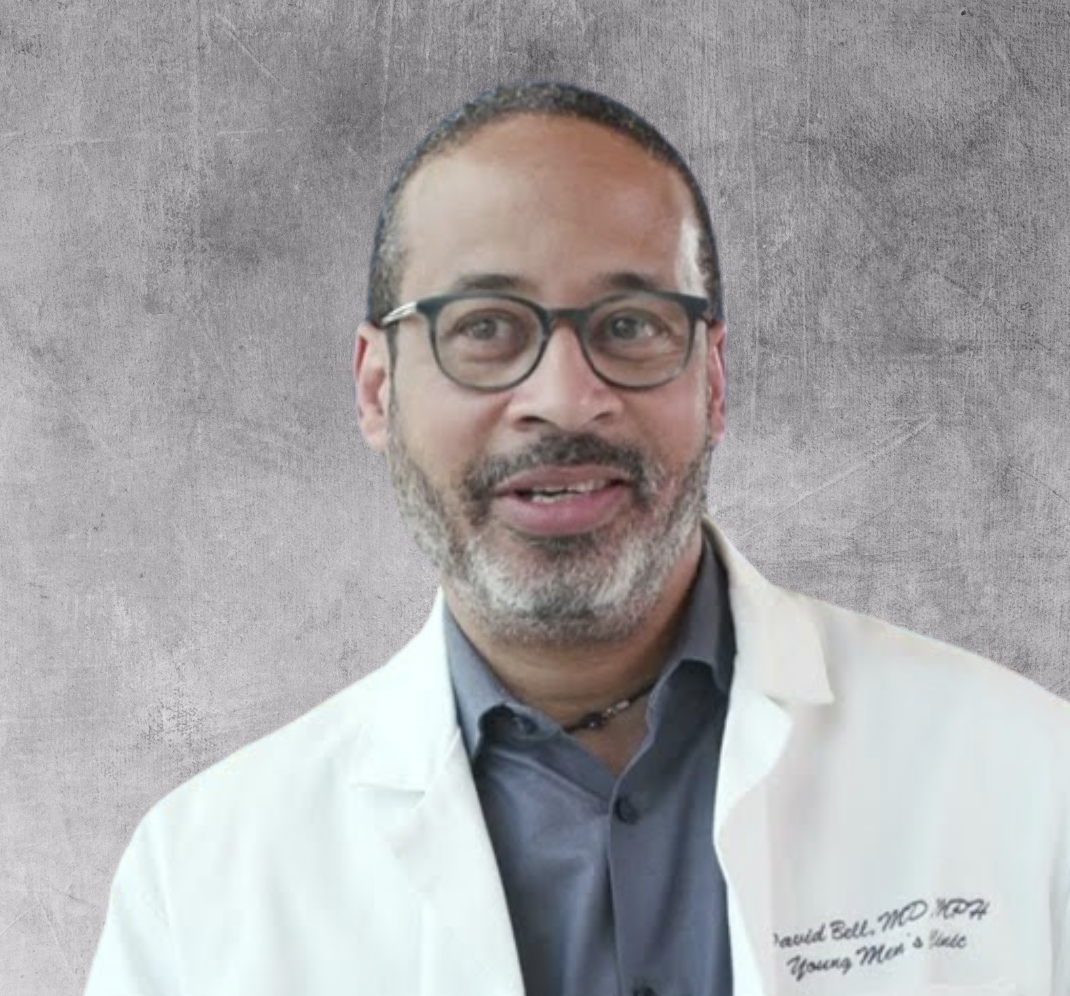
David L. Bell, MD, MPH
Board Chair and Co-Founder
-
Dr. Bell is a former Professor of Pediatrics and of Population and Family Health at Columbia University Medical College and medical director at The Young Men’s Clinic. He is currently Medical Director at Lawrenceville School.
He is a nationally recognized physician leader with more than 25 years of experience in advancing the health and wellness of adolescents and young adults. He served as medical director of the Young Men’s Clinic at NewYork Presbyterian Hospital, a role he held since founding the clinic in 1999 and has been a longtime professor at both the Columbia University Mailman School of Public Health and the Columbia University Irving Medical Center. He has also served as medical director for school-based clinics and family planning services, leading multidisciplinary teams across high-volume, diverse clinical settings. His approach integrates primary, urgent, and reproductive health care with mental health services, reflecting a deep commitment to whole-person, evidence-informed care. He completed a three-year adolescent medicine specialty fellowship at the University of California, San Francisco School of Medicine.

Thomas Beall, MHSA
-
Mr. Beall currently serves as a social marketing and health communications consultant. For more than 25 years, he worked for Ogilvy Public Relations where he served as founding Global Managing Director of the agency’s industry-leading social marketing practice. He also co-chaired the agency’s Global Health Practice. He directed many of the agency’s largest public health and public education accounts, working over decades in support of such clients as the Centers for Disease Control and Prevention, the National Institutes of Health, the Centers for Medicare & Medicaid Services, the U.S. Agency for International Development, as well as major companies including Merck and Pfizer.
His work focused on health promotion and disease prevention across the ages, with a recurring focus on sexual and reproductive health. This included leading Ogilvy’s award-winning support for CDC’s landmark America Responds to AIDS campaign, as well as related work for such clients as the Association of Reproductive Health Professionals and GlaxoSmithKline targeted primarily to adolescents and young adults. He served as Chair of Board of the American Sexual Health Association and was instrumental in the establishment of the National Coalition for Sexual Health, where he now serves as Co-Chair of the Coalition’s communications working group. He also serves as member and chaired the Board of the American Forest Foundation, reflective of his interest in the intersection of public and environmental health.
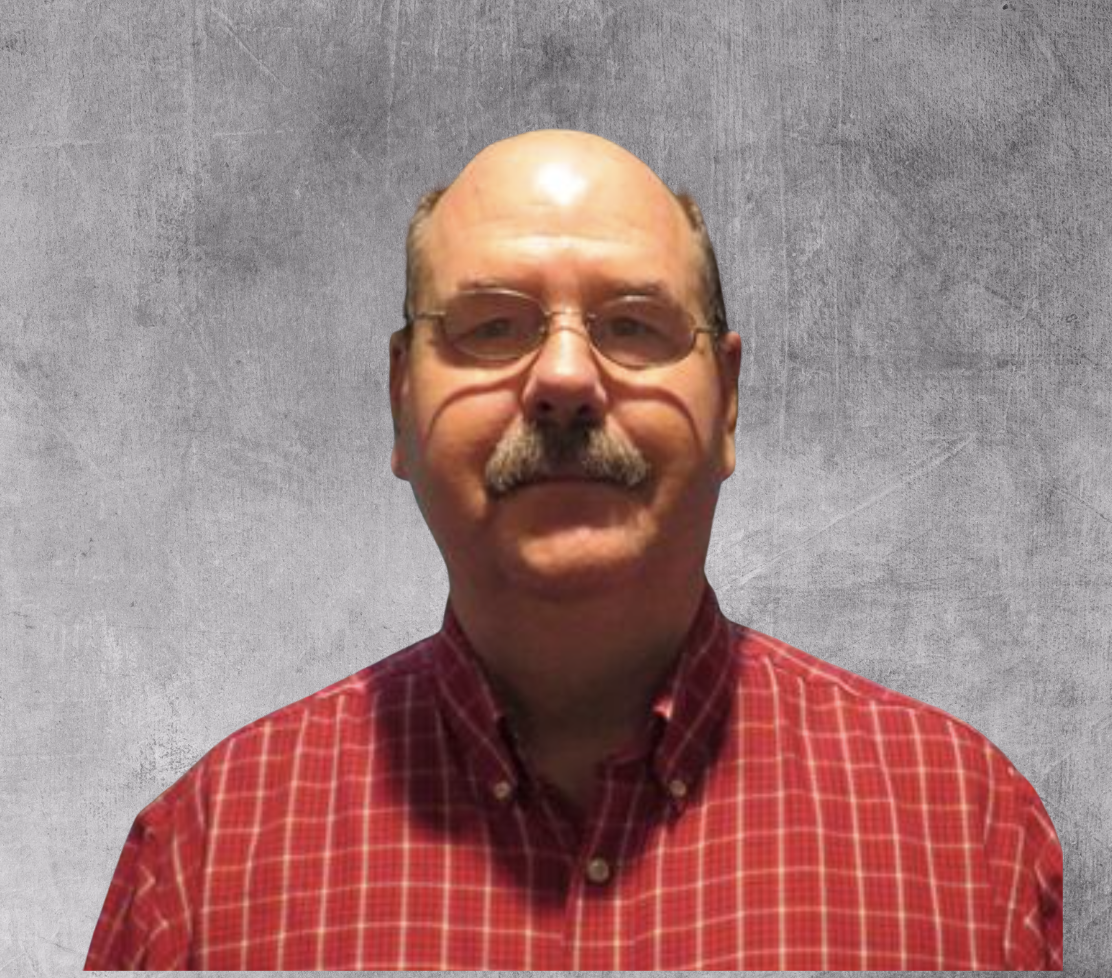
J. Terry Parker, PhD, CHES, ATC, FASHA
-
Dr. Parker is a native Texan where he worked in public schools as classroom teacher, school counselor and held other leadership roles.
He also spent 19 years in the Centers for Disease Control and Prevention’s (CDC) Division of Adolescent and School Health where he worked with urban school districts across the country in the areas of Health/Sexual Health Education, Services and Related Programs including sexual and gender minority youth. His work also included programs and services pertaining to adolescent mental health. His related publications appear in the Journal of School Health, Journal of Adolescent Health, Journal of School Nursing, the American Journal of Sexuality Education and others. Terry is active in the American School Health Association where he has served on the Board of Directors and chaired both the Councils on Health Behavior, and Sexuality Education and Reproductive Health. He currently serves as a peer reviewer for the Journal of School Health. Terry is also active in the Society for Adolescent Health & Medicine and is a peer reviewer for the Journal of Adolescent Health.

Judi Siegel
Co-Founder
-
Ms. Siegel is a licensed clinical social worker. She was with the Division of Adolescent/Young Adult Medicine, Children’s Hospital Boston. She was the Director of Mental Health Services within the division and the Director of Social Work Training for the Boston LEAH (Leadership Education in Adolescent Health) grant. She is a Clinical Instructor in Psychiatry at Harvard Medical School. She has had a longstanding interest in provider/patient communication with young men and has recently produced a training module, "Effective Clinical Interviewing for Adolescent Boys and Young Men," available on Pedicases. She coordinated a health website for adolescent boys and chaired the Young Men’s Health Initiative in Adolescent Medicine at Boston Children’s Hospital. Over the years, she has worked with adolescents and adults in a variety of settings, including residential and inpatient programs, community clinics, college counseling centers and private practice.
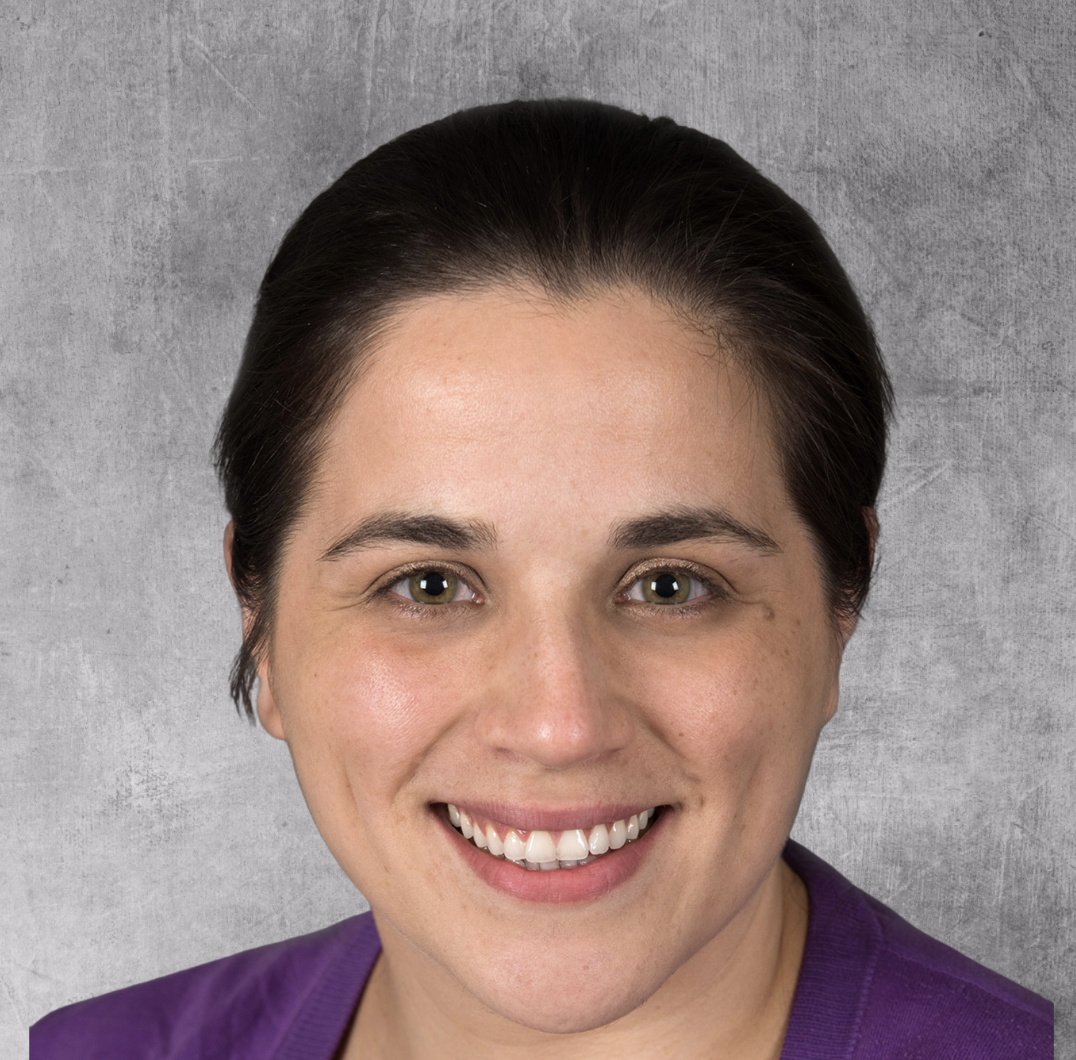
Gabriela Vargas, MD, MPH
-
Dr. Vargas is an Adolescent Medicine Physician at Boston Children’s Hospital. She also has a Master of Public Health from Harvard T.H. Chan School of Public Health. She has specific clinical and research interests in adolescent and young adult male health. She is the Director of the Young Men’s Health Site, which is an international online platform aimed at addressing the unique health needs of adolescent and young men. She has written several research articles on young men’s health, including use of protein supplements, pregnancy prevention, and dating violence. She has spoken locally and nationally about young men’s health to clinicians and community leaders.
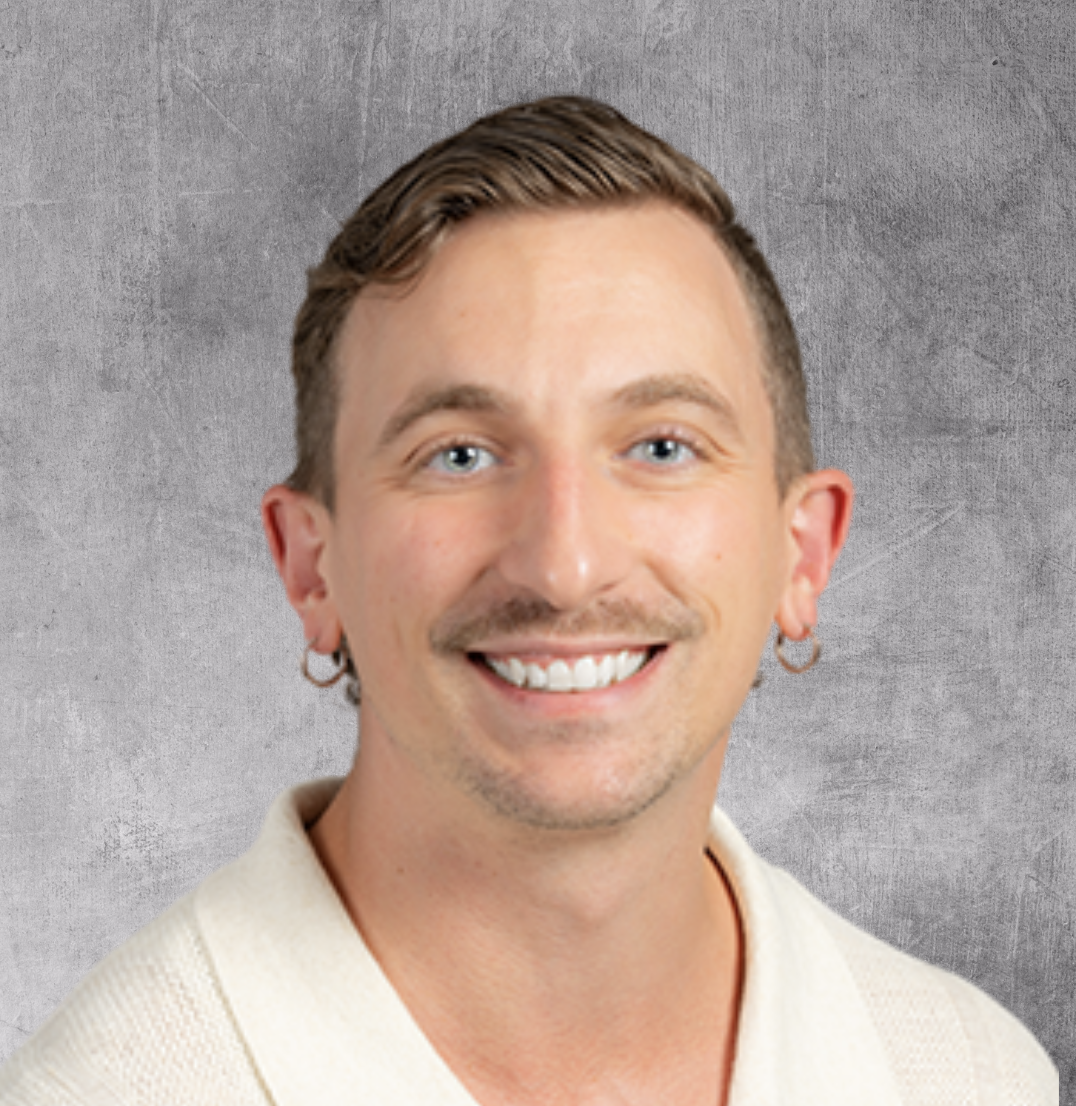
Noah Weatherton, DNP-PMHNP
-
Dr. Weatherton is a Psychiatric Mental Health Nurse Practitioner in the Seattle metro area. He is a 2019 Fellow in the University of Washington LEAH (Leadership Education in Adolescent Health) program, focusing on understanding the negative mental health effects of "traditional masculinity" on cisgender adolescent boys and young men. His healthcare career began in 2010 as a "street medic," volunteering to provide emergent care on the front lines of political protests and long-term encampments.
Dr. Weatherton has presented locally and nationally on research interests of creating pathways for communities (parents, teachers, coaches, healthcare providers) to better engage young men on the subject of healthy masculinity development. Recently, he has begun teaching on these topics at University of Washington and Seattle University, in both undergrad and graduate nursing programs. As a Psychiatric NP, Dr. Weatherton practices in community mental health clinics, and advocates for more socially just health promotion programs and policies at state, local and federal levels.
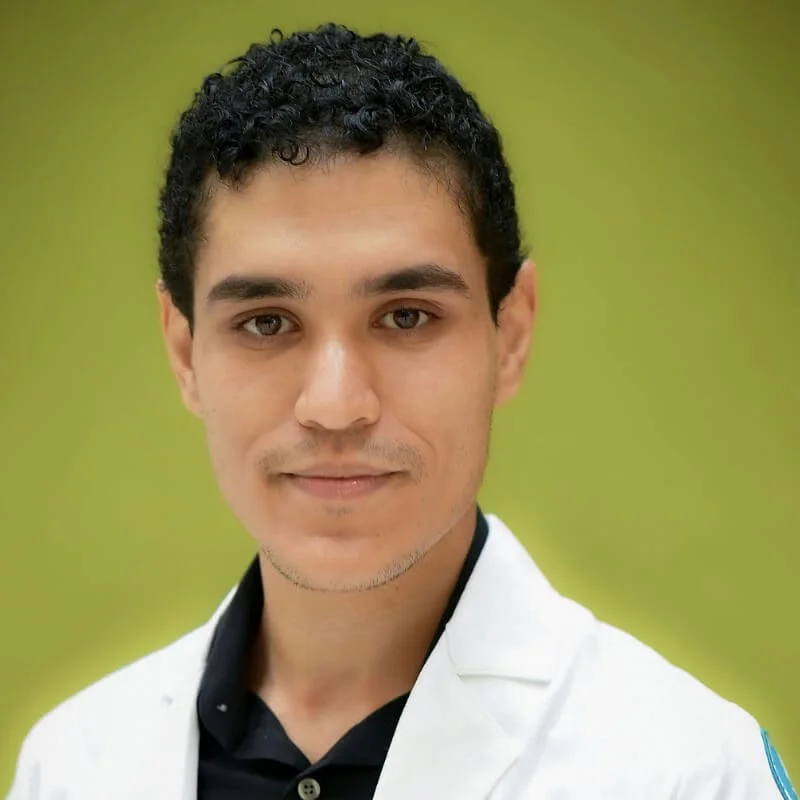
Ahmed Raihane
Youth Representative
-
Ahmed "Sami" Raihane is currently a first-year medical student at the University of New Mexico School of Medicine, with an interest in pursuing plastic surgery, specifically in reconstructive burn surgery. Sami recently graduated from Stanford University, where he earned a Bachelor of Science in Human Biology and Health Policy. At Stanford, his studies explored the intersection of social determinants of health and the biomedical sciences, with the aim to address social inequalities. Sami's focus on applying his academic studies to practical action intensified when he led an initiative -- in collaboration with peers, physicians, and a pro bono attorney -- to make Naloxone fentanyl test strips accessible free of charge in San Francisco, California, and Albuquerque, New Mexico. Sami is committed to tackling addiction in his community and is working with Team Advocating Combating Overdose at the University of Southern California to expand this program to undergraduate and medical schools nationwide and directly address the opioid epidemic. He is also collaborating with the Native Health Initiative at the University of New Mexico to enhance substance use literacy.
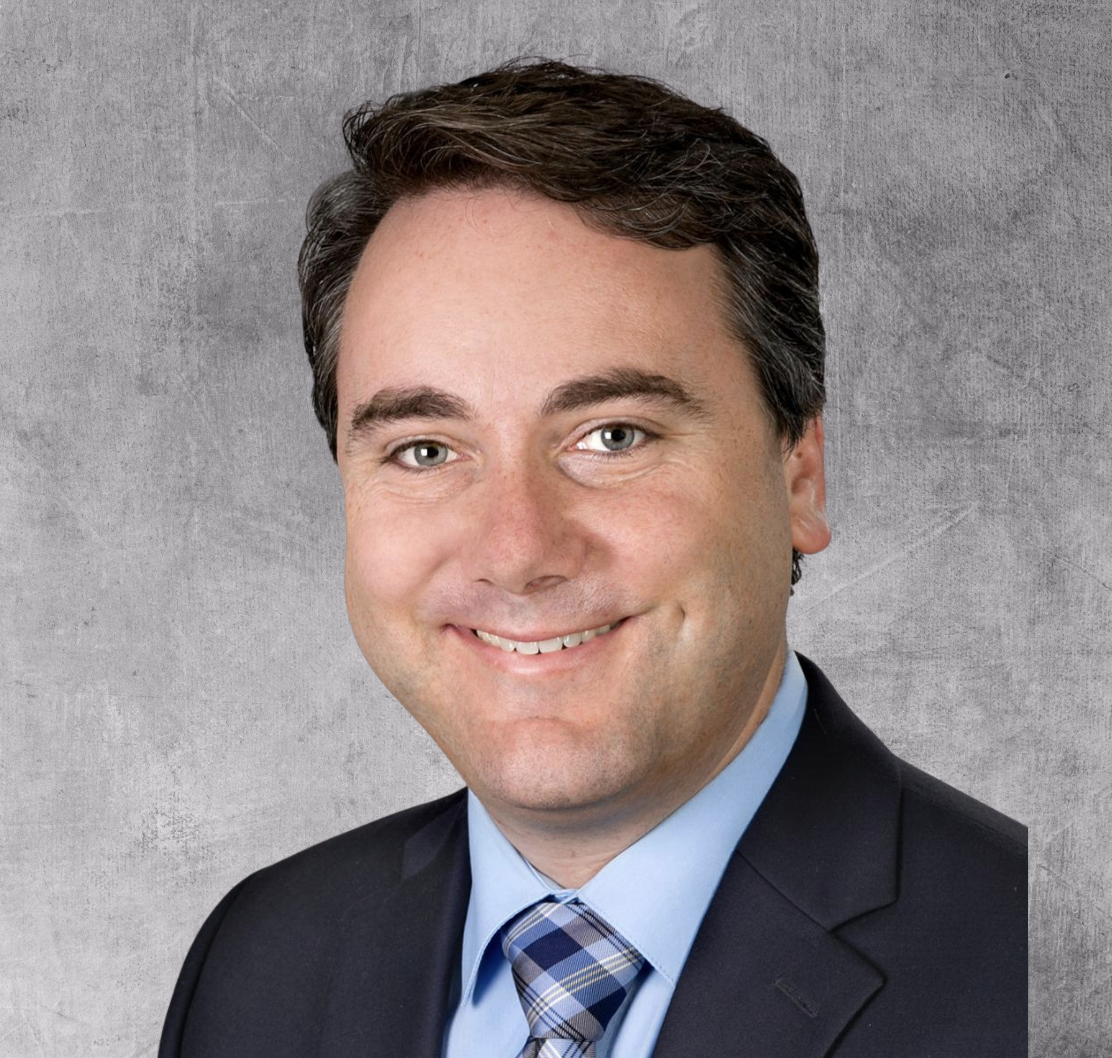
Jason Rafferty, MD, MPH
Board Treasurer
-
Jason Rafferty, MD, MEd, MPH, is a board-certified child psychiatrist and pediatrician in the Vista program at Bradley Hospital and medical director of the Gender and Sexuality Program at Hasbro Children’s. He is also a clinical assistant professor of psychiatry and human behavior and pediatrics at The Warren Alpert Medical School of Brown University.
Dr. Rafferty graduated from Harvard Medical School and obtained post-graduate training through the Triple Board Residency at Brown University. The Triple Board is a combined program in pediatrics, general psychiatry, and child/adolescent psychiatry. He has additional degrees from Harvard University in public health, concentrating on maternal and child health, and education focused on adolescent development and psychology. He is involved with the American Academy of Pediatrics (AAP) as the chair of the Section on LGBTQ+ Health and Wellness, frequently reviewing policy and publications related to LGBTQ+ adolescent health. Dr. Rafferty was the lead author of the AAP’s 2018 policy statement, “Ensuring Comprehensive Care and Support for Transgender and Gender-Diverse Children and Adolescents.”
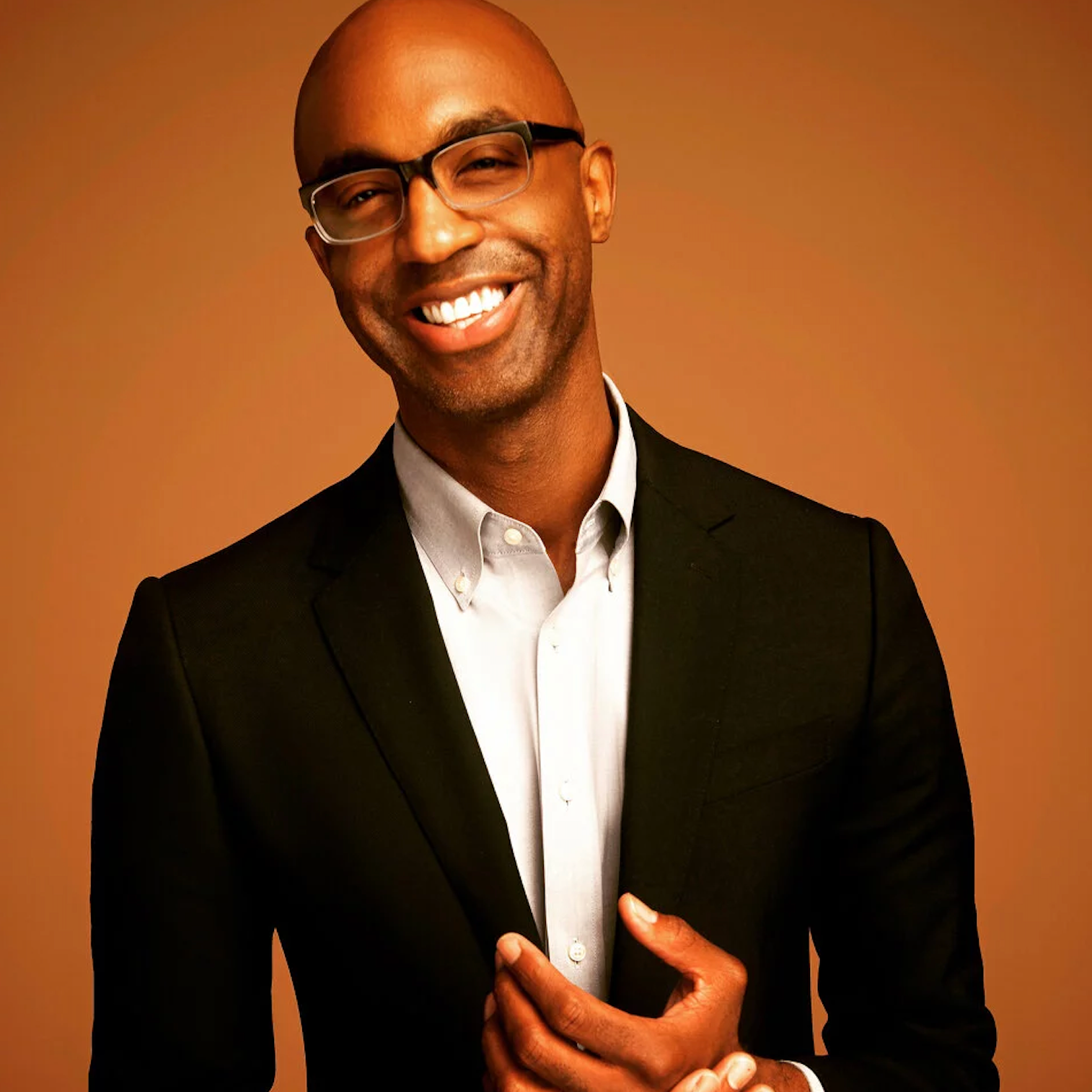
Joseph Derrick Nelson, Ph.D.
-
Dr. Nelson Is Associate Professor in the Department of Educational Studies at Swarthmore College, and affiliated faculty with the Gender and Sexuality Studies Program.
He is also the Research Director of the School Participatory Action Research Collaborative at the University of Pennsylvania—a partnership organization that facilitates youth-led research to address race and gender equity within K-12 schools. He is a sociologist of education, and his research to date has examined race, boyhood, and education within learning environments that largely serve Black students from neighborhoods with concentrated poverty. His forthcoming book with Harvard Education Press is entitled, (Re)Imagining Black Boyhood: Portraits of Academic Success during the Middle School Years. He also co-edited the Routledge Handbook on Boyhood in the United States—with over thirty contributors. In public media, his research has been featured in the Washington Post, The Atlantic, and on National Public Radio.
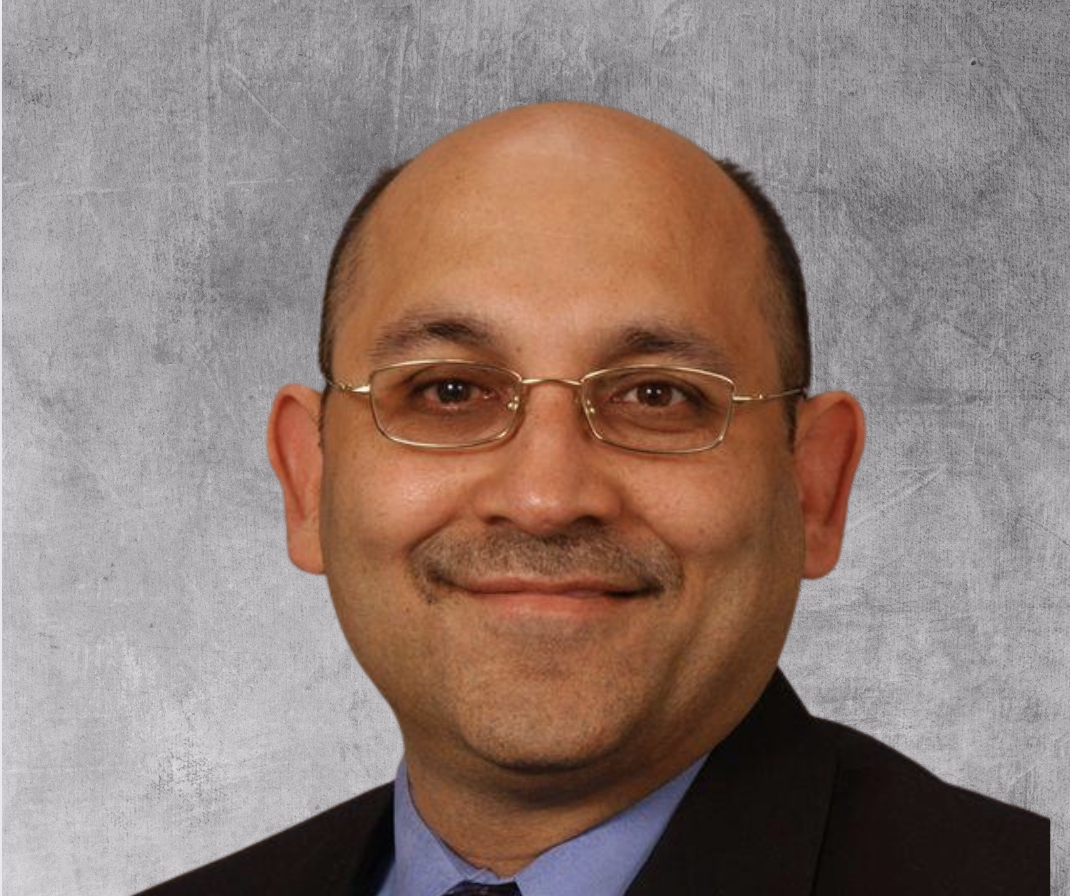
Paritosh Kaul, MD, FAAP, FSAHM
-
Dr. Kaul is a distinguished physician leader with over two decades of experience in Adolescent Medicine and Pediatrics. His career spans international settings, including India, the Sultanate of Oman, and the United States.
Dr. Kaul is a Past President of the Society for Adolescent Health and Medicine and notably the first person of Asian descent to hold this position—demonstrating his exceptional leadership on both national and international stages. He also serves in national leadership roles within the American Academy of Pediatrics.
His professional interests include adolescent health, medical education, faculty development, mentorship, and coaching. He emphasizes learner-centered practices and is deeply committed to principles of inclusion, diversity, equity, and interdisciplinary collaboration. A certified coach and skilled communicator, Dr. Kaul is dedicated to fostering the professional growth of others, drawing inspiration from the mentorship he has received. His work is marked by a focus on resilience, compassion, and a commitment to excellence.

Alex Lewin-Knauer
Youth Representative
-
Alex Lewin-Knauer is a undergraduate student at Vassar College. A philosophy major and a prospective prison studies minor, he joined PMY as an intern in the summer of ‘25 after being fascinated by the intersection between online manosphere-adjacent content and young males’ conceptions of masculinity, identity, and self.
His work for the Partnership, which included conducting interviews and editing video for social media has given him a broader interest in young male mental health, in particular the ways in which it's perceived and addressed by society, and how it can inform our understanding of young male criminality and deviance.